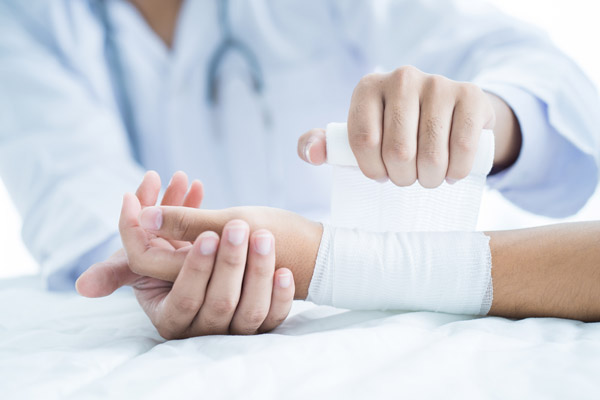
Wondering about wound care and when to seek medical advice? Read on to learn more. Minor injuries can happen at any time, from a cut from working with a sharp knife in the kitchen to an abrasion from a fall on the pavement. They could be minor injuries that should be treated with basic first aid knowledge. Wound care might stop some infections from occurring and assist with wound healing.
Wound care essentials: Dealing with cuts and scrapes
The very first step in addressing a cut or scrape would be to stop the bleeding. Patients can put on a clean cloth, piece of paper towel, or bandage to stop the bleeding for a few minutes. In case bleeding continues or gets severe after 10 to 15 minutes of firm pressure, seek medical attention as this might be a more serious injury.
Clean to prevent infection
Clean the wound after the bleeding stops. This will prevent infection and clean up dirt and debris from the area. The patient should first wash their hands with soapy and warm water. Cleanse the wound with cool running water and mild soap. An antimicrobial soap can work well. Be gentle, as rubbing too hard can result in scarring.
Carefully examine the wound after cleaning it. Any remaining debris can be taken out with tweezers previously cleaned with isopropyl alcohol. Do not push too far into the wound. If the cut is big, gaping, or getting rid of all debris is impossible, then medical attention is essential.
Apply antibiotic ointment and bandage
For minor cuts and scrapes where bleeding is minimal and no debris remains, apply an antibiotic ointment. Topical creams are good for keeping wounds moist and healthy and avoiding infection. Avoid ointments containing petroleum, which holds moisture and increases the risk of infection.
Individuals can close the wound with gauze tied with paper tape or an adhesive bandage after applying the ointment. This will stop outside contaminants from getting into the area. The dressing should be changed daily or whenever it is damp or soiled.
Look for signs of infection
Look for indications of an infection — like swelling, redness, and pus. Keep the injured area elevated for the next couple of days to reduce swelling and pain. If experiencing pain, an over-the-counter pain reliever like acetaminophen or even ibuprofen might help.
When to seek medical attention
Most cuts and scrapes heal within a few days if properly taken care of. Signs of medical help might include fever, redness or swelling, red streaks, or pus after a short time. If the wound is filthy and the patient has not had a tetanus booster within the last 10 to 15 years, a visit to the medical clinic is needed for wound care.
The bottom line
Minor cuts and scrapes may be treated at home with a few first-aid measures for wound care. Proper wound cleaning and antibiotic ointment along with a bandage are needed. However, you need to still speak with a medical professional in case you have concerns regarding the seriousness of the injury or potential infection. What may appear like a minor cut can become a big problem without adequate wound care.
Get more information here: https://www.janeylhammonsnpc.com or call Janey L Hammons NP-C at (580) 922-4406
Check out what others are saying about our services on Yelp: Wound Care in Seiling, OK.
Recent Posts
Vaccinations are an essential part of preventive healthcare, protecting individuals and communities from serious illnesses. Staying up to date with recommended vaccinations helps reduce the risk of infection and limits the spread of disease. A primary care provider can determine which vaccines are needed based on age, medical history, and lifestyle factors, ensuring each patient…
For the past few years, many individuals have chosen medical weight loss through GLP-1 injections. While several patients have benefited from this approach and achieved their weight loss goals, others may be hesitant to inject themselves with medication. Fortunately, there are personalized medical weight loss programs in which a medical professional uses your health history,…
Many people are confused about the difference between family practice and internal medicine when choosing a primary care provider. This article addresses the differences and how to best decide. While there are some similarities between the two, there are also some significant distinctions. Both are primary care providers with training in a variety of subspecialties.…
Pap smears support women's health by helping detect cervical cell changes early, often before symptoms appear. This simple screening test checks cells from the cervix for abnormalities that may develop into cervical cancer without proper monitoring or treatment. Regular screening gives patients and providers important information about cervical health and helps guide the next steps…