3 Medical Weight Loss Treatments Without Injections
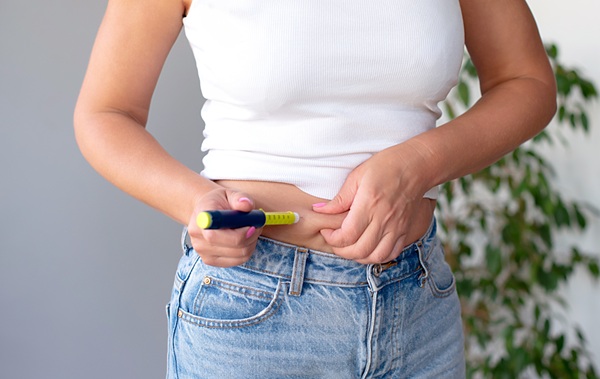
For the past few years, many individuals have chosen medical weight loss through GLP-1 injections. While several patients have benefited from this approach and achieved their weight loss goals, others may be hesitant to inject themselves with medication. Fortunately, there are personalized medical weight loss programs in which a medical professional uses your health history, metabolism, and daily habits to shape your journey toward a healthier life.
1. Prescription oral medications
One popular alternative to injections includes prescription pills. These treatments help control appetite and change how the body processes food. Prescription oral medication works well for individuals who prefer a simple daily routine, offering a safe and consistent path to help patients reach their goals without needles.
The healthcare provider determines whether oral medication is appropriate for a patient based on their body mass index, overall health, and prior weight-loss attempts. Once on the medication, the patient will meet with their provider to assess progress and monitor for potential side effects.
2. Structured nutrition programs and meal replacements
Meal replacement plans offer another reliable option for medical weight loss without injections. These plans use shakes, bars, or portion-controlled meals to replace regular meals. The main benefit of this approach to weight loss is precision. Keeping track of calorie intake is simple, and maintaining a high-protein diet helps protect muscle mass while losing weight.
Healthcare providers often recommend meal replacement or nutrition programs in the first phase of treatment to jumpstart the patient’s weight loss progress. After all, eating a balanced, filling meal is 80% of the way to losing weight. These meal programs offer the following features:
- Eliminate guesswork from daily meal prep
- Provide exact calorie amounts each day
- Deliver vital nutrients, vitamins, and minerals
- Reduce sudden urges to buy high-calorie snacks
- Establish a predictable routine for busy individuals
Additionally, many of these meal-replacement programs teach patients how to transition back to whole-food meals later. This step matters because long-term success depends on the patient achieving sustainable goals that they can maintain.
3. Behavioral therapy and support
Many programs focus on changing behaviors to help people manage their weight. They include nutritional advice, habit tracking, sleep care, and stress management techniques. Weight gain usually has multiple causes, so real and sustainable change requires more than just counting calories. Ongoing behavioral support sessions help people understand their food triggers, set meal schedules, and stay accountable to their goals.
Some weight-loss plans also help with emotional eating and irregular eating habits. While changing behaviors may seem less dramatic than taking pills or changing one’s entire diet, they are the foundation for making short-term weight loss progress last. Additionally, oral medications and nutrition plans work best when they are combined with ongoing support.
Find the right medical weight loss treatment for you
Are you looking to lose weight and make sustainable changes to your life? The Janey L Hammons NP-C team is here to help you find the right medical weight loss treatment plan without the need for infections. Contact our Seiling office today to learn more or to schedule a consultation.
Request an appointment here: https://www.janeylhammonsnpc.com or call Janey L Hammons NP-C at (580) 922-4406 for an appointment in our Seiling office.
Check out what others are saying about our services on Yelp: Medical Weight Loss in Seiling, OK.
Recent Posts
Vaccinations are an essential part of preventive healthcare, protecting individuals and communities from serious illnesses. Staying up to date with recommended vaccinations helps reduce the risk of infection and limits the spread of disease. A primary care provider can determine which vaccines are needed based on age, medical history, and lifestyle factors, ensuring each patient…
Many people are confused about the difference between family practice and internal medicine when choosing a primary care provider. This article addresses the differences and how to best decide. While there are some similarities between the two, there are also some significant distinctions. Both are primary care providers with training in a variety of subspecialties.…
Pap smears support women's health by helping detect cervical cell changes early, often before symptoms appear. This simple screening test checks cells from the cervix for abnormalities that may develop into cervical cancer without proper monitoring or treatment. Regular screening gives patients and providers important information about cervical health and helps guide the next steps…
A skin biopsy can provide important answers when a rash, mole, lesion, or patch of irritated skin does not improve or raises concern during an exam. This simple diagnostic procedure allows a medical provider to collect a small tissue sample and examine it more closely, which often helps confirm a diagnosis and guide the next…