Sick Visits: Why See an NP for Minor Illnesses?
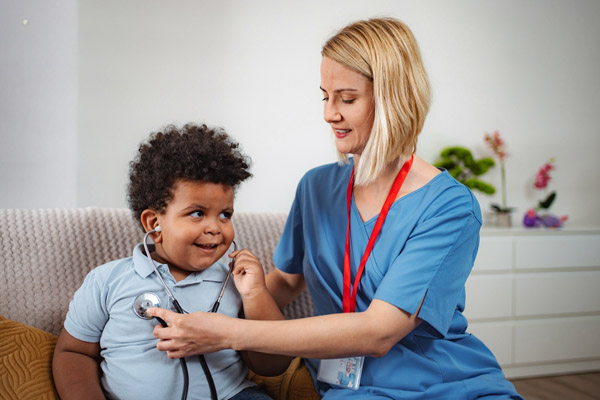
Scheduling sick visits for minor concerns, such as a cold or the flu, can help patients find relief much sooner than if they waited for symptoms to resolve on their own. These visits involve a professional medical evaluation to diagnose and treat acute, non-emergency illnesses or injuries. An early evaluation may also prevent these conditions from becoming more serious health complications, such as the flu progressing to pneumonia. Seeking care promptly helps you return to your daily routine faster and offers peace of mind for the rest of your household.
The benefit of rapid diagnostic testing during sick visits
Many symptoms that seem minor, such as a persistent cough or a scratchy throat, can mask underlying infections that require specific treatment. During a sick visit, the healthcare provider can perform rapid testing that is not available for home use. On-site testing for common illnesses includes, but is not limited to:
- Strep throat
- Influenza (the flu)
- COVID-19
- Urinary tract infections (UTIs)
- Sexually transmitted infections (STIs), like chlamydia
Having results within minutes allows the care team to provide accurate guidance or any necessary prescription immediately. Diagnostic accuracy reduces the time patients spend feeling unwell and, when contagious, helps prevent the spread of illness to coworkers, family, and throughout the community. The provider also looks for physical signs of illness the patient might miss, such as lymph node swelling or lung congestion, so that the treatment plan addresses them.
Preventing complications through early care
Early intervention is vital for maintaining the health of every community member, especially children and older adults. A minor respiratory infection in a healthy adult can quickly become a case of bronchitis or pneumonia in a senior or infant. When done early on, sick visits can prevent community spread of the illness. For the patient, it also lowers the risk of needing to visit the emergency room later.
Early care also allows for better management of chronic conditions that might flare up during a minor illness. The common cold, for example, can trigger severe wheezing and airway constriction in patients with asthma. A healthcare provider can adjust existing treatment plans during sick visits to account for these challenges. Monitoring these shifts in real-time helps prevent a minor seasonal illness from becoming a tiring or more complex respiratory event.
Accessing professional guidance and prescriptions
While over-the-counter medications and home remedies can provide temporary relief, they hardly treat the root cause of a minor illness. Sick visits are opportunities to assess whether patients need a prescription-strength medication, such as an antibiotic for a bacterial infection. The healthcare provider prescribes these medications according to medical standards and recommendations, checking for potential drug interactions to limit side effects.
Sick notes for school and work absences
During sick visits, a healthcare provider can also write notes for time off work or school. (Many employers and schools require a formal note from a healthcare provider to excuse an absence.) The patient will have a better chance to rest and recover from the minor illness, as they will not have to worry about facing unfair consequences upon returning.
Schedule your sick visit today
Sick visits can make for a smoother recovery for patients of all ages. However, they are most effective when done in the early stages of an illness. To schedule a sick visit, contact our Seiling office today.
Request an appointment here: https://www.janeylhammonsnpc.com or call Janey L Hammons NP-C at (580) 922-4406 for an appointment in our Seiling office.
Check out what others are saying about our services on Yelp: Read our Yelp reviews.
Recent Posts
Healthy weight loss often works best when a general practitioner helps patients build sustainable habits instead of following restrictive diets or chasing rapid results. Sustainable changes can support energy, mobility, heart health, and overall wellness while making progress easier to maintain. A medical evaluation can also identify factors that may affect weight management. These are…
Vaccinations are an essential part of preventive healthcare, protecting individuals and communities from serious illnesses. Staying up to date with recommended vaccinations helps reduce the risk of infection and limits the spread of disease. A primary care provider can determine which vaccines are needed based on age, medical history, and lifestyle factors, ensuring each patient…
For the past few years, many individuals have chosen medical weight loss through GLP-1 injections. While several patients have benefited from this approach and achieved their weight loss goals, others may be hesitant to inject themselves with medication. Fortunately, there are personalized medical weight loss programs in which a medical professional uses your health history,…
Many people are confused about the difference between family practice and internal medicine when choosing a primary care provider. This article addresses the differences and how to best decide. While there are some similarities between the two, there are also some significant distinctions. Both are primary care providers with training in a variety of subspecialties.…