Who Makes a Good Candidate for Medical Weight Loss?
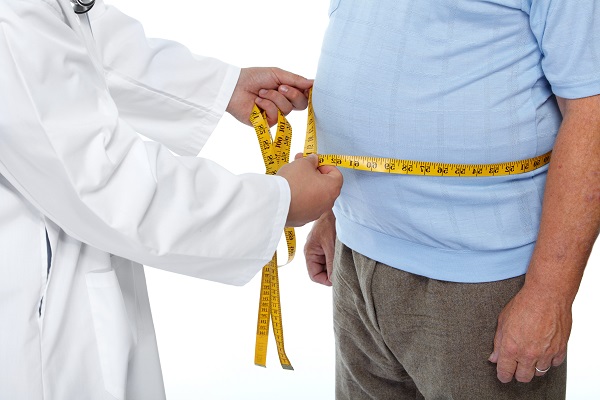
Medical weight loss is usually the alternative when other weight loss programs fail to work.
Sometimes, following a strict diet and exercising may not be enough. In this article, you will find out essential details about medical weight loss and who is eligible for the procedure.
Medical weight loss
Medical, or nurse-practitioner-assisted, weight loss programs are created to assist obese patients with obtaining a healthy weight and concurrently adopting a healthier lifestyle. These programs do not require crash dieting or engaging in tiring exercises to lose weight. Instead, they entail teaching patients to choose healthier food and improve their diet, remain physically active and tackle underlying problems that might affect their weight. In some cases, it may include the use of medications.
Benefits of medical weight loss
Participating in a medical weight loss program means patients no longer have to bother themselves about how to lose weight. They will be under the supervision of a physician throughout the program. During the program, the provider will watch the patient’s progress and ensure they are working towards losing weight healthily.
The patient will also benefit from vital information on the modifications to make regarding diet and exercise and access to behavioral therapy if required for depression, stress or any issue that may inhibit weight loss.
If these methods are not enough to achieve the patient’s weight loss goals, then they can use weight-loss drugs or injections that help to get rid of fat.
Who is an ideal candidate for medical weight loss?
A patient may be considered ideal for the program if they have tried unsuccessfully to lose weight through dieting and exercises. Patients with genetic or medical conditions that can make weight management hard can also benefit from the program. Patients with diabetes and other chronic conditions that require management can also undergo medical weight loss to learn how to adopt a healthier lifestyle and make healthy food choices.
There is usually an age restriction for weight loss surgery. Patients between 18 and 65 can qualify for the program. Also, people living with certain health issues may not be eligible. Smokers cannot undergo surgery because tobacco use adversely affects healing. Patients with blood clots are at the risk of blockage after the surgery.
Medical conditions such as kidney stones, heart problems or autoimmune diseases may disqualify the person because their body may be too frail to undergo surgery. Weight loss is also not recommended for people who abuse drugs. The program demands that the patient is in good mental health.
Weight loss is usually only suggested after all the other weight loss attempts have been unsuccessful. Before considering medical weight loss, the patient must have tried dieting and exercising already.
The provider consider patients for weight loss surgery if they have been obese for over five years. People who fall into the obese category according to the BMI for less than five years may not be eligible for bariatric surgery.
Final note
If you are not sure if the medical weight loss program is right for you, then contact your provider to book an appointment.
Request an appointment here: https://www.janeylhammonsnpc.com or call Janey L Hammons NP-C at (580) 922-4406 for an appointment in our Seiling office.
Check out what others are saying about our services on Yelp: Medical Weight Loss in Seiling, OK.
Recent Posts
Healthy weight loss often works best when a general practitioner helps patients build sustainable habits instead of following restrictive diets or chasing rapid results. Sustainable changes can support energy, mobility, heart health, and overall wellness while making progress easier to maintain. A medical evaluation can also identify factors that may affect weight management. These are…
Vaccinations are an essential part of preventive healthcare, protecting individuals and communities from serious illnesses. Staying up to date with recommended vaccinations helps reduce the risk of infection and limits the spread of disease. A primary care provider can determine which vaccines are needed based on age, medical history, and lifestyle factors, ensuring each patient…
For the past few years, many individuals have chosen medical weight loss through GLP-1 injections. While several patients have benefited from this approach and achieved their weight loss goals, others may be hesitant to inject themselves with medication. Fortunately, there are personalized medical weight loss programs in which a medical professional uses your health history,…
Many people are confused about the difference between family practice and internal medicine when choosing a primary care provider. This article addresses the differences and how to best decide. While there are some similarities between the two, there are also some significant distinctions. Both are primary care providers with training in a variety of subspecialties.…